
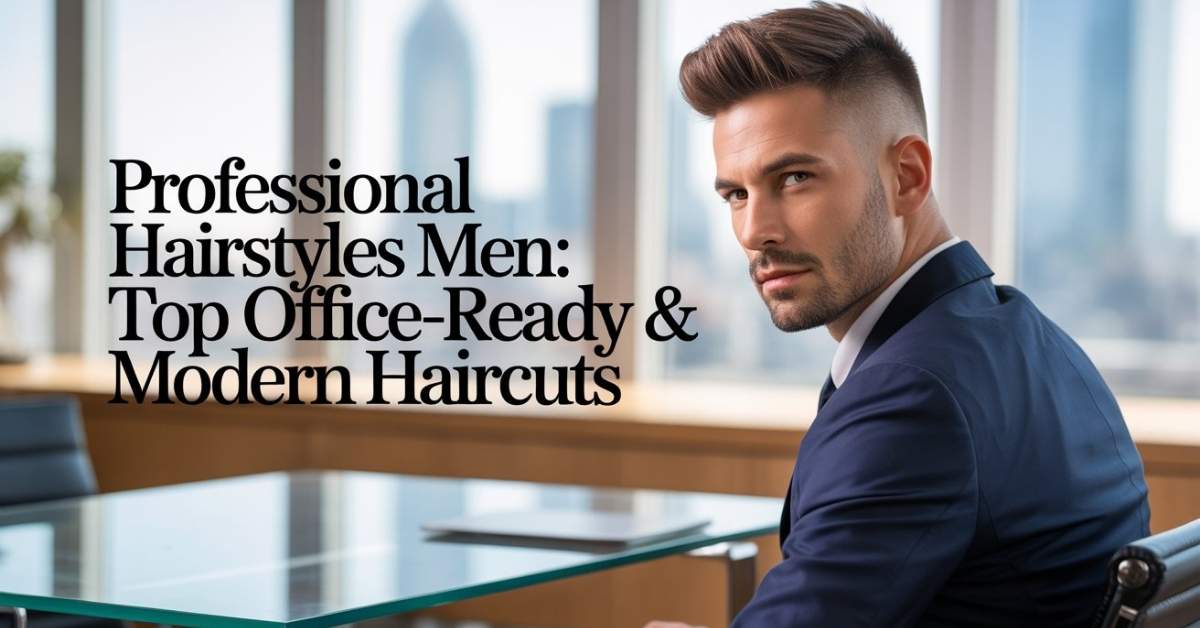
Professional hairstyles men choose define much more than appearance; they convey confidence, professionalism, and first impressions. In today’s workplaces, having a haircut that communicates structure, neatness, and style can make a notable difference. Whether you are entering a corporate office, attending a job interview, or meeting clients, your hair subtly communicates your professionalism.
What Makes a Hairstyle “Professional” for Men?
A professional hairstyle is not simply about looking tidy. It is the combination of structure, balance, and practicality. Elements that make a haircut professional include clean lines, controlled volume, and easy daily maintenance. Unlike fashion-forward styles, a professional haircut is versatile, polished, and workplace-appropriate. Cleanly trimmed sides and back, a manageable top length, and minimal messy textures are essential. The style should seamlessly complement formal attire, suits, and business casual outfits. According to grooming expert David Beckham, “A clean haircut is a mark of confidence and professionalism.”
Professional hairstyles stand apart from trendy cuts by prioritizing neatness, subtlety, and consistency. HR-friendly hairstyles, for instance, often avoid extreme fades or overly textured styles, whereas creative office environments may allow slightly more experimental looks.
Best Professional Hairstyles for Men
Professional hairstyles can be categorized by their structure, maintenance, and suitability for various office types. The classic side part is timeless, offering sharp lines and a sophisticated appearance that fits any corporate setting. The comb over balances neatness with subtle texture, and when paired with a low taper fade, it remains office-appropriate while modern.
The Ivy League haircut provides medium-length hair that can be brushed to the side or back, offering elegance with low maintenance. Slick back hairstyles convey confidence when styled with minimal product, making them ideal for executives. The crew cut is short, tidy, and low-maintenance, perfect for busy professionals. Buzz cuts reflect simplicity and professionalism, requiring minimal upkeep. Modern styles such as the French crop fade and short quiff offer controlled texture and style without compromising workplace standards. Each of these cuts should be chosen based on hair type, face shape, and professional context, ensuring a polished and neat appearance.
READ MORE<<<Leopard Print Buzz Cut: Bold Styles, Trends & Styling Tips
Are Fade Haircuts Professional for Men?
Fades are professional when executed subtly. Low fades are discreet, offering a polished look suitable for corporate environments. Mid fades add style without diminishing professionalism, while high fades may appear too edgy for conservative offices. Understanding the balance between fade height and workplace appropriateness is crucial.
| Fade Type | Professional Suitability | Recommended Workplace |
| Low Fade | High | Corporate, Executive |
| Mid Fade | Medium | Business Casual |
| High Fade | Low | Creative Offices |
A well-executed fade blends seamlessly with the top hair, maintaining a clean and structured look while reflecting modern style.
Professional Hairstyles by Workplace Type
Workplace context plays a significant role in hairstyle choice. In corporate and executive offices, clean and classic cuts such as side parts or slick backs are preferred. Business casual environments allow for slightly more texture, such as comb overs or short quiffs. In creative professional settings, modern styles with controlled messy hair, low fades, or subtle textures can be acceptable. For client-facing roles, hairstyles must consistently convey confidence and neatness, regardless of office culture. Matching your haircut with your workplace’s expectations ensures a professional image while allowing personal style to shine.
Professional Hairstyles by Hair Type
Hair texture strongly influences hairstyle selection. For straight hair, side parts, slick backs, and crew cuts emphasize sharp lines. Wavy hair is enhanced by comb overs, Ivy League cuts, or short quiffs that offer controlled volume. Men with curly hair benefit from French crop fades, buzz cuts, or low fades to maintain structure while preserving natural curl. Thick hair can be managed with tapered sides and layered tops to reduce bulk and maintain a professional appearance. For thin or fine hair, shorter styles like crew cuts or Ivy League cuts minimize the appearance of thinning while still looking elegant. Selecting the right haircut for your hair type ensures effortless maintenance and professional appeal.
Professional Hairstyles by Hair Length
Hair length affects both style and grooming requirements. Short hairstyles such as buzz cuts, crew cuts, and tapered crops are low-maintenance and exude professionalism. Medium-length hairstyles, including Ivy League and comb over styles, offer versatility while maintaining a polished look. While less common, long hairstyles can be professional if hair is neat, tied back, or styled away from the face. Across all lengths, the key is consistency, cleanliness, and ensuring the style complements formal attire.
Professional Hairstyles for Men with Beards
Pairing a professional haircut with a beard requires careful balance. Short hair combined with a neatly trimmed beard maintains a polished appearance, while medium-length hair with a well-groomed beard can project sophistication. Overly bushy or unkempt beards are discouraged in client-facing or executive roles. Grooming experts recommend trimming beards every 1–2 weeks to retain a corporate-ready look, ensuring both hair and facial hair convey professionalism.
Professional Hairstyles for Job Interviews
Your haircut plays a vital role in first impressions during interviews. Classic and structured hairstyles such as side parts or Ivy League cuts are ideal. Avoid extreme fades or overly messy textures. Hair should be clean, styled appropriately, and aligned with the company culture. A survey by CareerBuilder found that 33% of employers consider grooming and hairstyle in hiring decisions, emphasizing the importance of a professional haircut for career advancement.
Grooming and Maintenance Tips for Professional Haircuts
Maintaining a professional hairstyle requires attention to routine care. Regular trims every 4–6 weeks preserve structure and shape. Lightweight styling products, such as pomades or gels, provide control without creating a stiff appearance. Daily combing and styling ensure hair remains tidy, while avoiding over-styling keeps the look natural yet professional. Healthy hair complements formal attire and enhances overall professional presence.
Hairstyles Men Should Avoid in Professional Environments
Certain hairstyles can undermine a professional image. Overly messy or spiked hair, extreme fades, unnatural hair colors, and excessively long, unkempt styles are generally inappropriate in corporate settings. Even creative offices often prefer controlled textures over chaotic or overly dramatic looks.
Professional Hairstyles by Face Shape
Matching hairstyles to face shape enhances overall appearance. Men with oval faces can adopt nearly any professional hairstyle, with side parts being particularly flattering. Round faces benefit from height on top and shorter sides to create balance. Square faces are complemented by soft layers and side parts to soften angular features, while long faces should consider medium-length styles with volume on the sides to avoid elongation. Choosing a style that complements facial structure enhances professionalism and confidence.
Modern vs Classic Professional Hairstyles
Professional hairstyles can be classic or modern, with each serving a specific purpose. Classic styles, including side parts, Ivy League cuts, and crew cuts, remain timeless and suitable for nearly all office environments. Modern styles, such as French crop fades or textured quiffs, offer style while maintaining professionalism if applied subtly. Striking a balance between trend and workplace appropriateness ensures a polished and contemporary look.
Professional Hairstyles Trends for Men (2025 Update)
The 2025 trends favor clean tapers over aggressive fades, natural textures with controlled structure, and low-maintenance executive haircuts. Subtle highlights or enhancements that maintain a corporate-safe appearance are also becoming popular. These trends reflect the need for hairstyles that combine practicality, style, and workplace suitability.
Frequently Asked Questions (FAQs)
What is the most professional hairstyle for men?
Side parts, comb overs, and crew cuts are universally professional.
Are fades professional for office jobs?
Low and mid fades are professional, while high fades may not be appropriate in conservative workplaces.
Which haircut is best for job interviews?
Classic side parts or Ivy League cuts are ideal for making a positive first impression.
Can men have long hair and still look professional?
Yes, provided the hair is neat, tied back, or styled away from the face.
How often should men cut hair for work?
Trimming every 4–6 weeks ensures a clean, structured, and professional appearance.
Final Thoughts
Selecting the right professional hairstyle involves aligning your haircut with job role, hair type, face shape, and workplace expectations. Maintaining neatness, balance, and grooming consistency ensures that your hair communicates reliability, competence, and style. A professional haircut is more than aesthetic; it reflects your attitude, confidence, and readiness to succeed in any corporate or professional setting.
Discover the best professional hairstyles men can wear for work, interviews, and corporate offices. Clean, stylish, and easy-to-maintain haircuts.
Leave a Reply