
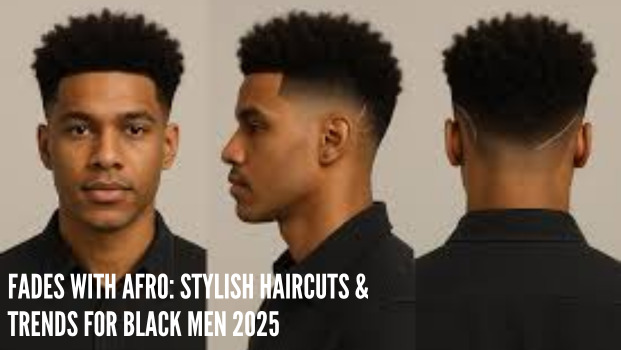
Fades with afro have become one of the most versatile and stylish hairstyles for black men in 2025. Combining the natural texture of afro hair with modern fade techniques, this haircut offers a polished, professional look while allowing curls to remain vibrant and healthy. Whether it’s a high fade, skin fade, drop fade, or afro taper fade, there is a style to suit every face shape, hair texture, and personal preference. This guide will walk you through the history, types, styling tips, and trends of fades with afro, helping you make informed choices for your next haircut.
The rise of fades with afro in recent years has been remarkable, with Pinterest boards, Instagram feeds, and barber shops featuring dozens of innovative styles. Men are increasingly seeking looks that are clean yet expressive, blending classic afro aesthetics with contemporary barbering techniques. Fades not only elevate the visual appeal of afro hair but also allow for easy maintenance and professional versatility.
Understanding Fades With Afro
A fade with afro involves blending the hair on the sides and back into the natural curls on top, creating a smooth transition from longer, textured hair to shorter, tapered sides. This style is adaptable, offering a subtle fade for a professional environment or a bold contrast for fashion-forward appearances. Afro taper fades are particularly popular because they maintain natural volume while providing structure and definition.
Historically, fades originated in the 1960s within black barbering culture and were paired with classic afro hairstyles. Over time, fade techniques evolved to include low, mid, high, skin, drop, burst, and temple fades, each offering unique styling possibilities. Celebrities like Chris Brown, Usher, and athletes like LeBron James helped popularize these cuts, bringing them into mainstream trends. Today, fades with afro are recognized for their versatility, elegance, and cultural significance.
READ MORE<<<Modern Mod Cut: Best Styles, History & Styling Guide for Men
Types of Fades for Afro Hair
High fades are perfect for men seeking a dramatic, bold look. The hair on the sides is sharply tapered while the top remains voluminous, emphasizing the natural curls. High fades complement oval and square face shapes and work well with both short and medium-length afros. Low fades, in contrast, are subtle and clean, providing a professional appearance without drastic contrast. They are ideal for office settings or occasions that require a more restrained style.
Mid fades strike a balance between high and low fades, offering structure while maintaining natural hair volume. This style is versatile, suitable for casual wear and semi-formal events. Skin fades are on the more daring side, shaving the sides to the skin and highlighting the curls on top. This fade is perfect for men who want a modern and edgy look that draws attention.
The drop fade afro is characterized by a curved fade around the ear, giving the hairstyle a unique, stylish silhouette. Meanwhile, burst fades create a semi-circular taper around the ear, blending seamlessly with textured hair. The temple or temp fade sharpens the edges around the temples and can be paired with a beard for a precise, clean-cut look. Taper fades provide a gradual blend from top to sides, offering a classic, timeless option that is low-maintenance and professional.
Specialty fades add even more creativity. The faux hawk fade for afro hair combines edgy styling with natural texture, while high-top fades, flat-top fades, and 360 waves fades showcase unique hair patterns. Short afro curls with low skin fades, undercut dreadlocks with fades, and twists fade styles further expand the possibilities, allowing men to experiment while keeping hair manageable and stylish.
Styling and Maintenance Tips
Maintaining fades with afro is essential to keep the haircut looking sharp and the curls healthy. Regular moisturizing with curl creams, oils, or leave-in conditioners ensures hair stays soft and hydrated. Using a sponge or pick comb can help maintain curl definition, while trimming the fade every two to four weeks keeps edges crisp. Integrating the beard with the fade, whether through a line-up or taper adjustments, enhances the overall polished look.
Hair length on top is critical for achieving the ideal afro fade. Typically, four to six inches provides enough volume for versatile styling, while allowing the fade to contrast sharply with the sides. For men who want more intricate patterns, combining the fade with twists, waves, or textured curls can create dynamic styles that stand out.
Communicating Your Desired Fade to the Barber
A successful fade requires clear communication with your barber. Phrases like “I want an afro taper fade with skin fade sides” or “Please do a drop fade around the ears with natural curls on top” convey precise instructions. Including beard adjustments, such as a line-up or taper fade with facial hair, ensures the style looks cohesive. Many men find it helpful to bring reference photos or Pinterest boards to illustrate the exact style they want, preventing miscommunication and achieving the desired results.
Face Shapes and Hair Types
Understanding how fades with afro interact with face shapes and hair textures is key to selecting the best style. Oval faces are versatile, accommodating high, low, and skin fades effortlessly. Round faces benefit from mid or low fades that elongate the appearance of the face. Square faces are complemented by high or skin fades, which emphasize jawlines and create sharp, clean lines.
Hair texture also influences the choice of fade. Coarse, curly, or wavy hair adapts well to most fade styles, while fine hair may require careful trimming to maintain volume and shape. Professional settings may call for lower fades, whereas bold, high fades or skin fades are suitable for fashion-forward, casual environments. By considering these factors, men can select a fade that enhances their natural features while reflecting their personal style.
Celebrity Inspiration and Trends
Afro fades are continually influenced by celebrities and social trends. Chris Brown frequently sports high fades with textured curls, while LeBron James favors low skin fades with natural volume. Usher popularized afro taper fades in the early 2000s, setting the stage for modern interpretations. Pinterest boards reveal between sixteen and forty-eight afro fade ideas, highlighting the diversity and creativity in styling. Trends in 2025 focus on blending texture with fades, incorporating 360 waves, twists, and line-up precision for a contemporary, polished look.
Common Mistakes to Avoid
Even the most stylish afro fade can lose its impact if poorly executed. Fading too high or too low for the face shape can distort proportions, while neglecting curl maintenance causes frizz and flattening. Using heavy or drying products can weigh hair down or damage curls. Skipping beard or line-up adjustments disrupts the balance of the style. A good practice is to always discuss length, taper intensity, and curl preservation with your barber, ensuring the final haircut aligns with your vision.
Afro Fade Variations and Visual Inspiration
Visual examples are essential for inspiration and understanding style options. Popular variations include high-top fades, 360 waves fades, short afro curls with low skin fades, faux hawk fades, flat-top fades, and temple fades integrated with beard line-ups. Incorporating numeric references, like sixteen, twenty, or thirty-five afro fade styles, helps organize ideas and guide selections. The diversity of styles enables men to express individuality while maintaining neatness and manageability.
FAQs
What is the best fade for afro hair?
The taper fade afro works for most hair types, but skin or high fades are ideal for bold contrasts.
How often should I get my afro fade trimmed?
Every 2–4 weeks to maintain sharp edges.
Can I grow a fade with coarse hair?
Yes, coarse hair blends beautifully into drop, burst, or taper fades.
How do I maintain 360 waves with a fade?
Moisturize, brush regularly, and trim fade sides consistently.
Conclusion
Fades with afro offer unmatched versatility, style, and sophistication. By blending natural afro textures with modern fade techniques, men can achieve a look that is both polished and expressive. Understanding the different fade types, proper maintenance, and styling options allows anyone to select a haircut that complements their face shape, hair texture, and lifestyle. With careful attention to detail and clear communication with your barber, a fade with afro becomes more than just a haircut—it becomes a statement of style, confidence, and individuality.
Leave a Reply