
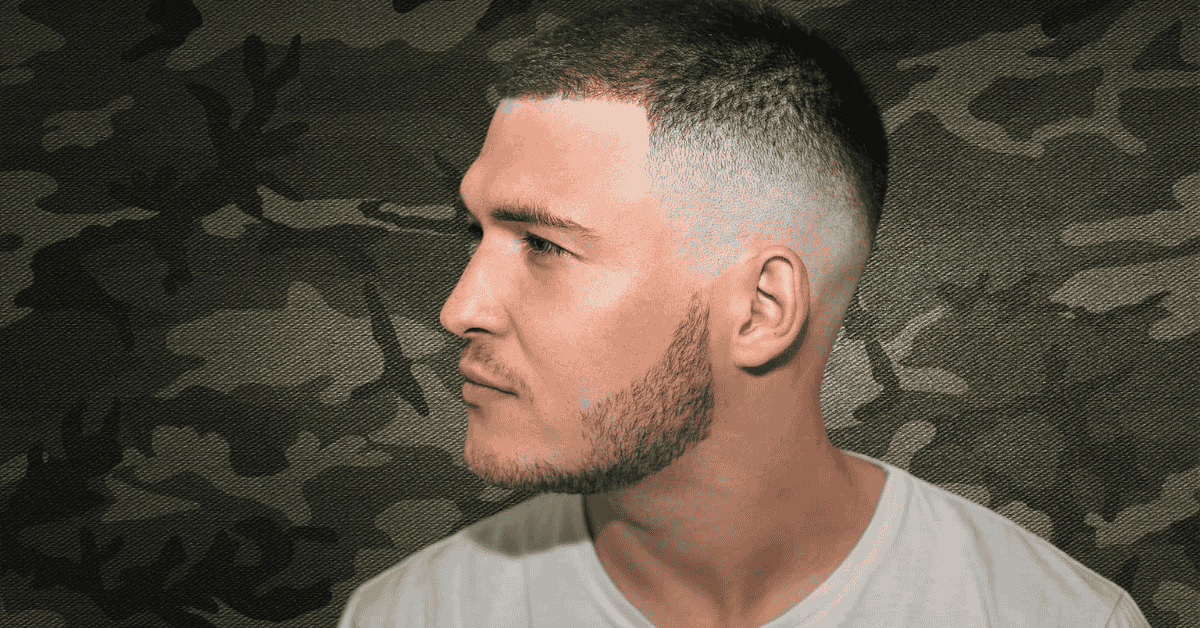
The faded military haircut is more than just a style; it embodies discipline, precision, and timeless appeal. Originating in the 1940s for armed forces personnel, it was designed to maintain a clean and professional appearance. Unlike a standard buzz cut, the faded military haircut blends the short sides into a slightly longer top, creating a smooth, seamless transition. Today, it has evolved into a versatile hairstyle that suits men of all ages, whether for a professional setting, casual lifestyle, or bold modern statement.
This guide explores everything you need to know about faded military haircuts, from types and styling to maintenance, face shape suitability, and the top examples to inspire your next haircut. By following these insights, you can achieve a polished, confident, and stylish look.
What Is a Faded Military Haircut?
A faded military haircut is defined by its gradual transition from very short sides and back to a longer top. Historically, the fade maintained military grooming standards while ensuring practicality and cleanliness. Over the decades, the haircut has adapted, allowing modern variations such as textured fades, pompadours, and high and tight styles. The fade itself can be high, mid, low, or a skin/bald fade, each offering a unique aesthetic. High fades provide a dramatic contrast, mid fades offer a balanced appearance, and low fades create a subtle, understated look. Skin or bald fades give an ultra-clean finish, perfect for both traditional military settings and contemporary fashion.
“A great fade is like a tailored suit; it should highlight your features and fit perfectly.” – John Michaels, Celebrity Barber
READ MORE<<< Hairless Hairstyle: Shaved Head, Bald Look & Styling Guide 2026
Types of Faded Military Haircuts
Understanding the types of faded military haircuts is essential for choosing the right style for your face shape, lifestyle, and hair type. High fades start near the crown, creating a bold and defined look, while mid fades begin around the middle of the head, offering balance and versatility. Low fades start near the ears, providing a more subtle, conservative style. Skin or bald fades shave the sides down to the skin for a crisp, edgy finish. Classic military styles, such as the high and tight or flat top, continue to influence modern interpretations of the fade.
| Fade Type | Description | Best For | Guard Numbers |
| High Fade | Starts high on the head for a dramatic contrast | Bold, defined look | #0–#2 |
| Mid Fade | Balanced transition starting mid-head | Everyday versatility | #1–#3 |
| Low Fade | Subtle fade beginning near the ears | Conservative, professional | #2–#3 |
| Skin/Bald Fade | Shaved down to the skin | Ultra-clean, edgy style | #0 |
| High and Tight | Clipped sides with slightly longer top | Military or formal look | #0–#1 |
| Flat Top/Brush Cut | Square-shaped top with clean edges | Retro or modern military styles | #1–#3 |
Each variation allows men to achieve either a classic, disciplined appearance or a modern, textured style, depending on personal preference.
How to Ask Your Barber for a Faded Military Haircut
Getting the perfect fade requires precise communication. Start by deciding whether you want a high, mid, low, or skin fade. Next, choose the top length, whether a crew cut, buzz, pompadour, or textured mohawk. Specify the clipper guard numbers, from #0 for skin fades to #5 for longer tops. Bringing visual references from Pinterest or YouTube ensures the barber understands the look you want. Discuss blending techniques, sideburns, and neckline finish to guarantee a clean and flattering fade. Clear communication prevents errors and ensures a haircut that highlights your facial features.
Step-by-Step Guide to a Faded Military Haircut
Understanding the process helps in achieving the ideal cut. Begin with preparation by washing and combing the hair, then sectioning it if needed. Start the fade on the sides and back using clipper guards (#0 for skin fade, #1–#3 for short fades) and gradually blend upward to avoid harsh lines. Once the sides are done, blend the top using longer guards (#2–#5) to create a seamless transition. Edge the hairline and neckline with clippers or a razor for a sharp finish. Finally, style the top with matte clay, pomade, or gel for texture and hold. This method ensures the haircut is precise, professional, and flattering.
Styling and Maintenance Tips
Maintaining a faded military haircut is crucial for preserving its sharp appearance. Trimming every two to four weeks keeps the fade lines defined. Styling products such as matte clay or pomade help maintain texture and hold, especially for longer tops. Curly hair requires moisturizing to prevent frizz, and combing or covering hair at night can protect the edges. For high and tight or skin fades, more frequent barber visits are recommended. Following these tips ensures a polished, professional, and stylish appearance at all times.
Faded Military Haircut for Different Face Shapes
Selecting the correct fade based on face shape enhances the overall look. For round faces, adding height on top with a textured crop or quiff elongates the face. Square faces benefit from structured cuts like high fade crew cuts, which emphasize the jawline. Oval faces are versatile and can accommodate most fade styles, while heart-shaped faces are complemented by short crops or fringes to balance the forehead. Matching the fade with your face shape ensures the haircut is flattering and proportionate.
Top 35 Faded Military Haircut Examples
Inspiration comes from observing top variations, which include classic and modern styles. Examples include the classic high fade crew cut, mid fade pompadour, low fade buzz cut, skin fade high and tight, textured top mid fade, high fade brush cut, Mohawk military fade, curly top low fade, bald fade with side part, modern high and tight, classic induction cut, military pompadour fade, crew cut with fade, flat top high fade, low fade French crop, skin fade with long top, high fade textured crop, mid fade side part, low fade spiky top, high fade Ivy League, bald fade Caesar cut, modern brush cut fade, curly hair military fade, fade with line design, military fade with tapered sides, high fade quiff, low fade with fringe, mid fade slick back, classic buzz high fade, textured pompadour high fade, skin fade flat top, high and tight with fade, low fade Mohawk, curly textured skin fade, and modern military crew cut. These 35 examples showcase the fade’s versatility and adaptability to different hair types, textures, and preferences.
Common Mistakes to Avoid
Even professional barbers can make errors without clear guidance. A fade that is too high or uneven can ruin the intended style. Incorrect clipper guard selection can result in unexpected lengths, while poor blending may create harsh lines instead of a smooth transition. Overcutting the top can throw off balance and proportion. Understanding these mistakes and discussing them with your barber ensures the fade remains precise, professional, and flattering.
Modern Variations and Trends
The faded military haircut has adapted to modern trends. Pompadour fades combine height with sharp sides, Mohawk military fades offer an edgy appearance, curly top fades preserve natural texture, and subtle barber designs or shaved lines add creative flair. These modern adaptations highlight the haircut’s versatility while remaining rooted in classic military tradition.
“The faded military haircut is timeless because it adapts. From traditional high and tight to modern textured fades, it always looks sharp and stylish.” – James Ellis, Barber Expert
Frequently Asked Questions
What’s the difference between a military fade and a buzz cut?
A military fade blends short sides into a slightly longer top, while a buzz cut is uniform in length all over.
Can I maintain a military fade at home?
Short trims are possible, but professional barbers ensure precision, especially for skin and high fades.
How often should I trim my fade?
Every 2–4 weeks is ideal to maintain sharpness.
Is this haircut regulation-friendly for active military personnel?
Yes, high and tight or induction-style fades meet most military grooming standards.
Conclusion
The faded military haircut is a versatile, disciplined, and stylish choice for men seeking a polished appearance. By understanding the different fade types, considering face shape, following proper maintenance routines, and choosing styles that fit your lifestyle, you can achieve a haircut that is both timeless and modern. Bring this guide to your barber, select your preferred style, and enjoy a look that is clean, sharp, and confident.
Leave a Reply