
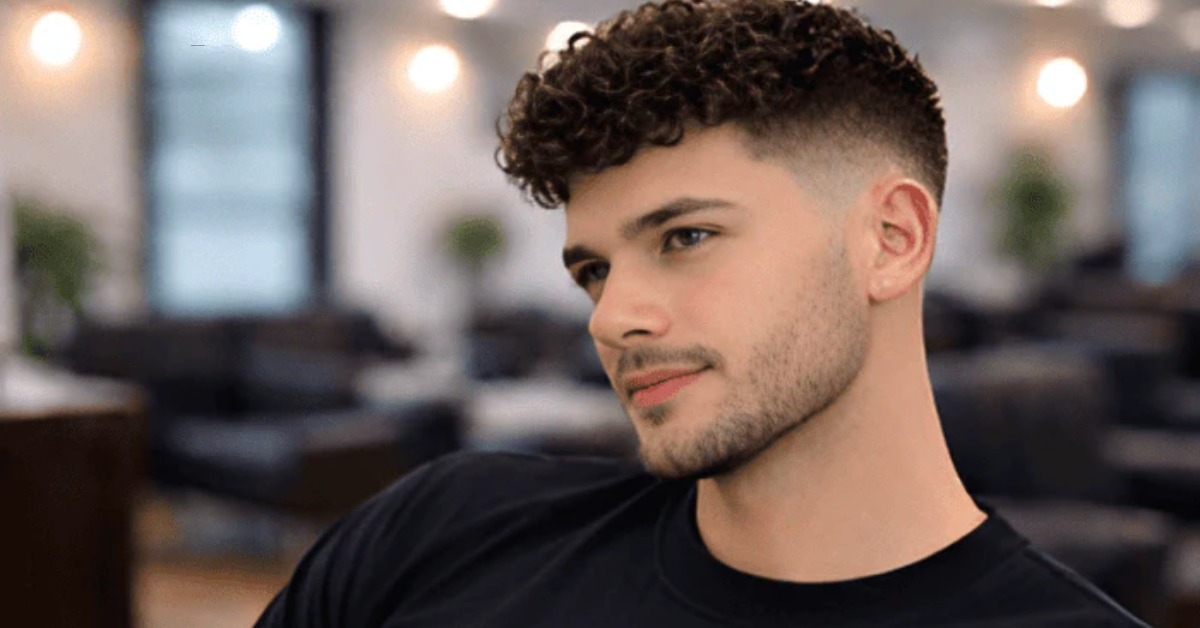
Black people fades are more than just haircuts—they are a statement of style, culture, and confidence. From a low taper fade to a sharp high skin fade, from 360 waves with fade to an afro mid fade with full beard, fade haircuts remain one of the most sought-after styles in barbershops worldwide. In 2026, fades have evolved into a symbol of personal branding, balancing professional elegance with street-style edge. No matter your face shape, hair texture, or lifestyle, there is a fade that perfectly complements you.
Fades enhance the natural curl pattern of Black hair, providing structure while keeping the top full and stylish. They can range from subtle and professional to bold and creative, and the right fade can completely transform your appearance and confidence.
Understanding the Fade Haircut
Black People Fades are a style where hair blends from longer lengths on top to shorter lengths on the sides and back. The fade can be subtle, like a taper fade, or dramatic, like a skin fade that transitions down to the scalp. These fades work exceptionally well with natural curls, waves, and coiled textures, enhancing contrast while keeping the top full and stylish.
The key difference between a taper fade and a full fade is in blending. Tapers subtly reduce length along the neckline and sideburns, while fades gradually remove hair higher up the sides. Skin fades remove hair completely at the bottom, creating a striking, polished appearance.
Understanding clipper guard numbers is essential for communicating your desired look with a barber.
| Guard Number | Hair Length | Ideal Fade |
| #0 | Almost bald | Skin fade |
| #0.5 | Very short | Tight blends |
| #1 | 1/8 inch | 360 waves fade |
| #2 | 1/4 inch | Low fade structure |
| #3 | 3/8 inch | Taper fade |
For example, a #1 guard low fade with 360 waves ensures the waves remain visible while the fade appears sharp and structured.
READ MORE<<< Olivia Rodrigo Haircut 2026: Layers & Micro Bangs Style
Core Fade Types for Black Men
The fade you choose depends on personal preference, lifestyle, and hair texture. The low fade starts just above the ears, offering a subtle, professional look. It works perfectly with 360 waves, natural curls, or a beard with fade haircut, providing versatility and neatness for young professionals and students.
The mid fade blends from halfway up the sides, offering balanced contrast. It pairs well with textured curls, twists, and medium afros. Many first-time clients opt for mid fades because they balance sharpness and natural appearance without looking too dramatic.
The high fade removes most of the hair on the sides, creating bold contrast. This style is ideal for strong jawlines and pairs beautifully with high top fades, Mohawk fades, or burst fades, giving an edgy, modern aesthetic. High fades are perfect for those who want a striking urban look.
The skin fade, also known as a bald fade, blends hair down to the scalp. This creates a sharp, polished effect but requires maintenance every one to two weeks. Skin fades are often paired with line-ups or beard fade blends for a complete, confident appearance.
The drop fade follows the natural curve of the head, offering a softer silhouette. It works well with curls, twists, and intricate fade designs. The burst fade creates a circular fade around the ear, enhancing contrast and visual appeal, and is often combined with Mohawks or beard styles.
The temple fade, or Brooklyn fade, focuses fading around the temples while keeping hair at the back fuller. Its roots in Black communities give it historical significance, and it continues to be a cultural staple in modern urban style.
READ MORE<<< Ivy League Hairstyle 2026: Styles, Fades & Barber Tips for Men
Creative Fade Designs and Patterns
One of the most notable trends in 2026 for Black People Fades is creative fade design patterns. Hard part fades, razor line fades, lightning bolt designs, and freestyle cuts add individuality and style. Even subtle double line buzz cuts can make a significant impact. Angles matter too, as side profiles and back profiles provide different visual impressions, making reference images essential when communicating with your barber.
Fade Combinations Based on Top Hair Styles
Fades are versatile and work with a wide variety of top styles. Caesar cuts with fade create a modern, timeless appearance. Textured crop fades showcase natural curl texture while keeping the sides neat. Undercut fades provide dramatic contrast for bold statements. Frohawk fades highlight creativity and edge, while buzz cuts with skin fades offer minimalistic sharpness. Even within professional settings, a low or mid fade provides a clean, appropriate appearance, while high and burst fades add personality outside the workplace.
360 Waves and Fade
360 waves with fade remains one of the most searched and culturally significant styles. The fade enhances the circular ripple of waves, making the pattern more defined and structured. Daily brushing, moisturizing, and wave caps preserve the wave definition. Low fades are ideal for subtle wave maintenance, while mid fades provide more dramatic contrast. A #1 guard is commonly used to keep the waves crisp without losing the fade’s sharpness.
Afro Fades: Celebrating Natural Hair
Black People Fades also include afro fades, which celebrate natural curl patterns while maintaining clean sides. A low afro fade keeps volume without appearing unkempt, while high top fades pay homage to 90s culture and are trending again. The afro mid fade with full beard balances hair density with facial hair strength, creating a structured yet expressive appearance. Afro fades highlight the natural identity of Black hair while offering a refined, modern edge.
Fade and Beard Combinations
Beard and fade blends are crucial to achieving a polished appearance. Low fades complement short boxed beards, while high fades pair with thick, full beards. Skin fades align beautifully with stubble or neatly shaped facial hair. Maintaining the transition requires trimming, hydration, and a sharp line-up to frame the face effectively.
Braids, Twists, and Dreadlocks with Fades
Fades can integrate with braids, twists, and dreadlocks, providing versatility and creativity. Box braids with fades highlight contrast, dreadlocks with taper fades maintain volume while keeping sides clean, and twists with drop fades combine texture and structure. These combinations are increasingly popular for those seeking unique yet professional styles.
Fade and Face Shape
Choosing a fade based on face shape maximizes appearance. High fades suit round faces by adding height and definition, while mid fades complement square faces by balancing the jawline. Oval faces are versatile and work with most fade styles, and diamond-shaped faces benefit from low fades to soften angular features. Proper alignment with face shape avoids awkward contrasts and enhances symmetry.
Fade Maintenance and Growth
Fades require consistent upkeep to maintain a sharp look. Most fades need touch-ups every two to three weeks. Moisturizing the scalp and hair, using curl or wave products for natural textures, and trimming edges are essential for longevity. Understanding how a fade grows out week by week helps with planning maintenance. Week one is sharp and crisp, week two begins to soften, week three shows regrowth, and by week four, reshaping is recommended.
READ MORE<<< Low Temp Fade Black Male: Top Hairstyles & Styles for 2026
Fade for Hair Type and Hairline
Not all fades suit every hair type or hairline. Low fades help create fullness for thinning hair, while drop fades frame receding hairlines naturally. High fades emphasize coarse curls, mid fades balance soft curls, and hair density plays a major role in selecting the ideal fade. Choosing the right fade ensures both style and comfort.
Fade Cost and Professional Insights
The cost of fades varies by type:
| Fade Type | Average Cost (USD) |
| Low Fade | $15–$25 |
| Mid Fade | $20–$30 |
| High Fade | $25–$35 |
| Skin Fade | $30–$45 |
| Design Fade | $35–$50 |
Professional barbers recommend investing in quality fades for long-term confidence and grooming excellence.
READ MORE<<< Jarhead Haircut Guide 2026: Military Buzz Cut Styles & Tips
Why Fades Continue to Dominate Grooming Culture
Barbers often say:
“A clean fade changes posture and confidence instantly.”
Research in grooming psychology suggests that regular hair maintenance boosts self-perception and social confidence. Fades are structured, clean, and adaptable—qualities that align with modern professional and cultural identity.
Cultural Influence of Black Barbershop Fades
Fades originated in Black barbershops, serving as cultural hubs for self-expression, confidence, and community bonding. Hip-hop and urban culture popularized them globally, making fades symbols of empowerment and identity. From Harlem roots to Hollywood trends, fades represent more than grooming—they are a statement of heritage, style, and individuality.
Conclusion
Black people fades are not just haircuts—they are cultural statements, expressions of confidence, and personalized grooming tools. From low tapers to high skin fades, 360 waves, and afro mid fades, there is a fade suitable for every hair type, face shape, and lifestyle. Understanding fade types, patterns, maintenance, and cultural significance allows men to choose styles that reflect both personal style and identity. A fade is precision, creativity, and confidence blended into a single, powerful statement.
Leave a Reply