
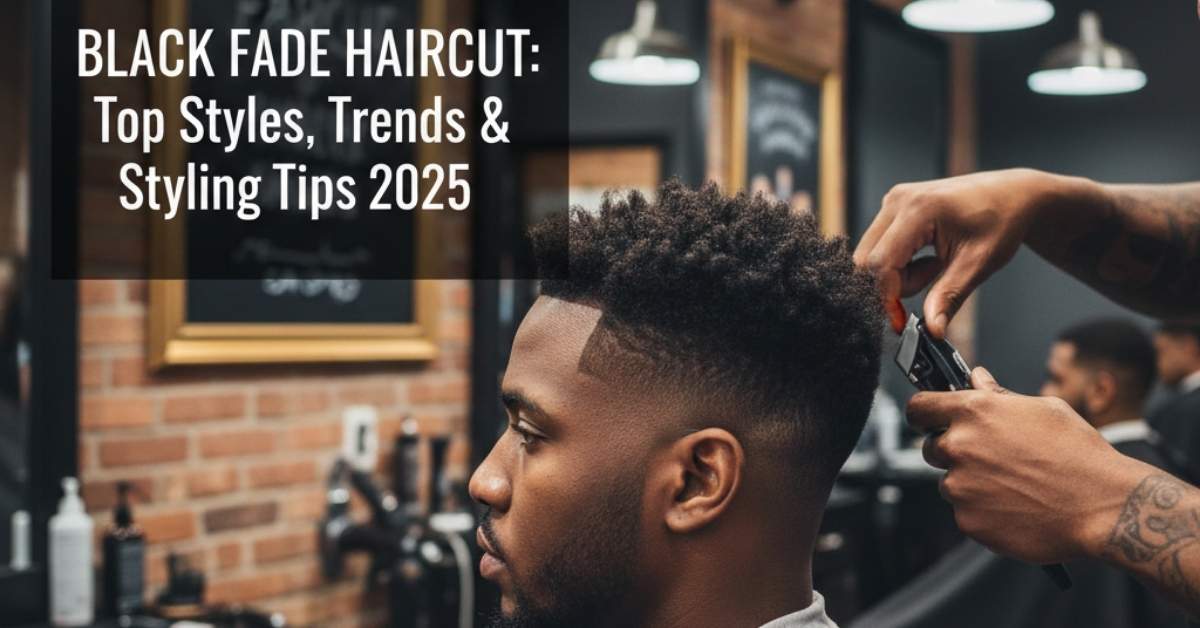
The black fade haircut has become one of the most versatile and stylish hairstyles for men today, blending modern trends with timeless appeal. Whether you have curly, afro, wavy, or kinky hair, the black fade can transform your look, offering options from subtle professional styles to bold, eye-catching statements. In this guide, we explore the history, types, styling tips, maintenance strategies, and 2025 trends for black fade haircuts, ensuring you have all the information to choose the perfect style.
History and Cultural Significance
The black fade haircut originated in African-American barbershops in the 1980s, becoming an integral part of hip-hop culture. Iconic variations such as the high-top fade symbolized individuality, creativity, and cultural expression. Over time, barbers introduced intricate line-up designs and skin fades, turning the fade into a canvas for personal style. The haircut evolved further through the 1990s and 2000s, giving rise to low fades, mid fades, drop fades, and burst fades, and today, in 2025, it remains a top choice for men seeking modern, sharp hairstyles.
The evolution of fades can be seen clearly in the following timeline. In the 1980s, high-top fades and classic afro fades dominated. The 1990s brought low fades and shape-up fades into the spotlight. The 2000s saw mid fades and drop fades gain popularity, while the 2010s introduced burst fades and temple fades. Now in 2025, styles such as curly high fades, afro fades, and faux hawk fades lead contemporary trends. This historical progression highlights how the fade has continually adapted to cultural and stylistic demands.
Types of Black Fade Haircuts
Understanding the different fade types ensures you pick the style that complements your hair texture, face shape, and lifestyle.
Low Fade
A low fade starts just above the ears and gradually blends into longer hair on top. Ideal for curly or wavy hair, it provides a subtle and professional appearance without drastic contrast.
Mid Fade
Mid fades begin in the middle of the head, offering a balanced and versatile look. They suit afro curls, kinky hair, and short twists, making them perfect for both casual and formal occasions.
High Fade
Starting near the temples, the high fade creates a bold contrast between sides and top. Perfect for curly, wavy, or afro hair textures, it often pairs with a line-up or beard style for a striking effect.
Drop Fade
The drop fade follows the natural curve of the head, giving a modern twist on traditional fades. It works well with professional and street-style looks.
Taper Fade
A taper fade gradually shortens hair at the sides and back, providing a clean, understated style for men who prefer subtlety.
Burst Fade
The burst fade forms a circular fade around the ears, often combined with a faux hawk or textured curls. This style is trendy and creative, popular among younger men.
Temple Fade
Temple fades focus on the sides near the temples. Adding sponge curls, twists, or line-ups enhances the hairstyle’s precision and aesthetic appeal.
Skin Fade
The skin fade blends hair fully to the skin, offering a bold and clean-cut look. Ideal for afro, short curls, and sponged hair, it pairs well with beard line-ups for a complete grooming solution.
Afro / High-Top Fade
The high-top fade remains a classic, combining volume on top with faded sides, and works especially well for afro-textured hair.
Other Variations
Other creative fades include Zero Fade Buzz Cuts, Dread Fades, Twists Fade, and Curly Burst Fades with a Part, allowing unique expression through hair patterns and designs.
How to Ask Your Barber
Achieving the perfect fade requires clear communication. Specify the fade height, whether low, mid, or high, and mention any line-up or beard integration you desire. Bringing visual references from platforms like Pinterest or BarberStake ensures that your barber fully understands your expectations. For example, saying, “I want a mid fade with a sharp line-up and beard combo”, gives precise guidance and reduces the chance of errors. The right phrasing ensures the haircut aligns with your facial structure, hair type, and personal style preferences.
Hair Texture and Compatibility
Different fade types suit different hair textures. Curly hair pairs well with low, mid, or burst fades, maintaining volume on top while keeping sides neat. Afro and kinky hair are ideal for high-top fades, skin fades, and drop fades, which showcase texture and natural hair density. Wavy hair looks best with low and mid fades or taper fades, providing balance and elegance. Sponged hair benefits from temple or burst fades to highlight creative designs, while short afro hair is best complemented by skin or low taper fades. Understanding these nuances helps achieve a sharp, stylish look that enhances facial features.
Styling and Maintenance
Maintaining a black fade haircut requires regular attention. Trimming every 2–3 weeks is essential to keep lines sharp and the fade clean. Using products like pomades, hair creams, and moisturizers preserves curl definition, prevents frizz, and maintains texture. Beards paired with fades should receive regular grooming and line-ups to ensure harmony with the haircut. Styling techniques such as sponge curls, twists, or finger styling can elevate a fade, adding personal flair without compromising neatness. Studies show that consistent grooming and product use significantly extend the lifespan of a fade while keeping it visually striking.
Trendy Fade Styles in 2025
In 2025, curly high fades, afro fades, faux hawk burst fades, low drop fades, and zero fade buzz cuts dominate barber trends. Curly high fades add height and texture, while afro fades preserve classic styling with a modern edge. Faux hawk burst fades deliver a bold, creative aesthetic, and low drop fades provide a subtle, professional look. The minimalistic zero fade buzz cut appeals to men seeking simplicity and sharpness. Incorporating numeric references, such as “top 50 fade ideas,” engages readers and provides structured visual inspiration for selecting a hairstyle.
Step-by-Step Fade Haircut Guide
Achieving the perfect fade requires the right tools and methodical steps. Clippers, guard attachments, scissors, combs, and trimmers are essential. Begin by identifying your desired fade type based on head shape and hair texture. Start from the lowest point, blending upward gradually to ensure smooth transitions. Maintain symmetry on both sides of the head and complete the haircut with a precise line-up and beard trim. Using numeric guard lengths (1–10) helps achieve consistency and a professional finish. Precision and patience are key to a clean, attractive fade.
Fade Haircut with Beard and Accessories
Combining fades with a beard enhances the overall appearance. Short fades complement trimmed beards, whereas high fades work well with full beards and sharp line-ups. Creative design elements such as part lines or geometric patterns can further customize the style. Barbers recommend integrating facial hair to balance proportions and accentuate features, providing a complete grooming solution for men seeking both style and confidence.
READ MORE >>> Curly Edgar Haircut 2025: Styles, Trends, and Styling Tips for Men
Common Mistakes and How to Avoid Them
Even seasoned barbers can make mistakes. Common pitfalls include uneven fade lines, incorrect fade height selection, overuse of styling products, and miscommunication with the barber. Always bring reference images and discuss hair texture, fade height, and line-up options to prevent errors. Proper preparation and guidance ensure that the fade enhances your features and aligns with current trends.
Frequently Asked Questions
Is the fade haircut still trending?
Yes, it remains one of the top hairstyles in 2025.
Best fade for curly hair?
Low, mid, and burst fades work best with curly textures.
How often should I trim a fade?
Every 2–3 weeks for sharp lines.
Difference between taper and fade?
Taper gradually shortens hair; fade blends hair to skin or very short lengths.
Can I style my fade at home?
Yes, but professional barbers ensure the best precision.
Conclusion
The black fade haircut is more than just a hairstyle—it is a symbol of style, identity, and confidence. With options ranging from low, mid, and high fades to skin, burst, and afro variations, every man can find a fade that suits his hair type and personal style. Maintaining a fade with regular trims, proper grooming products, and precise styling ensures a sharp, modern, and versatile appearance. Understanding fade types, hair compatibility, styling techniques, and current trends empowers men to choose a haircut that reflects personality and self-expression in 2025. A fade is not just about hair—it is about confidence, creativity, and making a statement.
Leave a Reply