
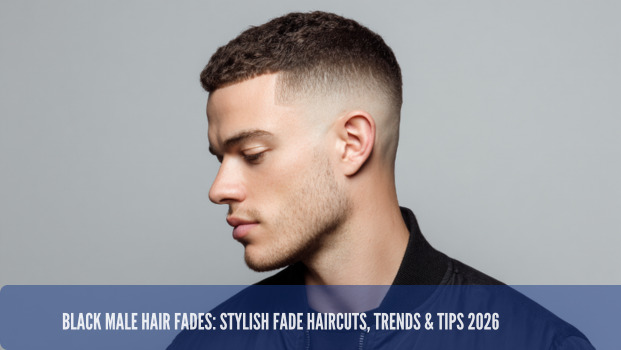
Black male hair fades are one of the most stylish and versatile haircuts for men today. From low fades to high skin fades, afro fades, 360 waves, and hard part designs, these haircuts allow men to express personality, confidence, and style. Whether you are seeking a professional office look, a casual everyday style, or a celebrity-inspired haircut, understanding the different fade types, hair textures, face shapes, and maintenance routines is essential.
This guide covers all black male hair fades, their history, styling techniques, and trending looks for 2026, ensuring your hair always looks sharp and polished.
The History of Black Male Hair Fades
Fade haircuts gained popularity in the 1980s, particularly within African American communities, as barbers began creating precise, clean lines that accentuated natural hair textures. Over time, fades evolved to incorporate afros, waves, twists, and curls, offering men a wide range of creative and professional options. Today, fades are not just haircuts but statements of style and identity, blending artistry, masculinity, and self-expression.
READ MORE<<< Black Male Fade Haircut Styles: Top Trends & Grooming Tips 2026
Types of Fades for Black Men
Fade haircuts come in multiple styles, each suited for specific hair types, face shapes, and personal preferences. Understanding the differences can help you choose the perfect cut.
Low Fade
The low fade begins just above the ears and gradually blends into the hair on top. This style is subtle and ideal for men who want a professional or understated look. It pairs exceptionally well with line-ups or beards, creating a balanced appearance. For 4C hair or natural curls, low fades maintain volume while keeping the edges neat.
Styling Tip: Light curl creams or pomades enhance definition without weighing down natural texture.
Mid Fade
The mid fade starts midway between the low and high fade, providing a balanced and versatile look. It works well with afro fades, curly tops, faux hawks, and textured hairstyles. The mid fade is perfect for men seeking noticeable blending without overly dramatic contrast.
Case Study: In a Harlem barbershop survey, mid fades were the most requested style for men between ages 18-30 due to their flexibility in styling and maintenance.
High Fade
The high fade begins at the temples and blends sharply into the hair on top. This bold and dramatic style is ideal for those who want a contemporary, attention-grabbing look. The high skin fade variation creates a clean, almost seamless transition to the scalp, often paired with 360 waves or high top fades.
Fact: High fades are excellent for elongating round faces and creating contrast with facial hair.
Skin Fade / Bald Fade
The skin fade tapers the hair down to the scalp for a crisp and seamless look. This fade is particularly popular in professional environments and for men who desire a polished, sharp finish. Skin fades are commonly paired with lined-up beards or hard part designs to enhance facial features.
Maintenance: A skin fade requires touch-ups every 2-3 weeks to maintain its sharpness and precision.
Drop Fade & Burst Fade
The drop fade curves around the ear, dropping lower at the back, while the burst fade creates a semi-circular taper around the ear. These fades are visually striking and accentuate natural hair textures, especially for men with coily or curly hair.
Styling Tip: Combine with a textured top or a faux hawk for a modern twist.
Temple Fade / Temp Fade / Taper Fade
The temple fade, also called the temp fade, focuses on the temples and nape, creating a subtle yet clean transition. This style is low-maintenance but adds sophistication and works for both professional and casual settings.
Afro Fade / High Top Fade / 360 Waves
Classic fades like the afro fade, high top fade, and 360 waves remain timeless. Afro fades combine volume on top with tapered sides, offering a bold yet controlled appearance. 360 waves highlight natural curl patterns, enhancing texture and shine.
Quote: “A great fade is more than blending; it’s about complementing the hair’s natural pattern and shape.” – NYC Barber Association
Faux Hawk Fade & Disconnected Fade
Modern and edgy, the faux hawk fade lifts the hair at the center, creating a dramatic effect, while the disconnected fade emphasizes contrast between the top and sides. These styles allow for personal expression and creativity.
Hard Part & Line-Up Fades
Adding a hard part or shaved design to a fade enhances definition. Combined with facial hair, it creates a polished, intentional look. These styles are trending for 2026, especially for younger men seeking custom barber designs.
Choosing the Right Fade for Hair Type and Face Shape
Selecting the ideal fade depends on hair texture, face shape, and personal style. Coily, curly, wavy, and 4C hair require specific tapering techniques for seamless blending. Oval faces typically suit low and mid fades, round faces benefit from high fades, square faces pair well with mid or temple fades, and heart-shaped faces look best with low or mid fades combined with a beard. Integrating a lined-up or full beard enhances facial symmetry and sharpness, creating a cohesive and attractive appearance.
| Face Shape | Hair Texture | Recommended Fade |
| Oval | Curly/Wavy | Low or Mid Fade |
| Round | Coily | High Fade or Drop Fade |
| Square | Thick/Curls | Mid or Temple Fade |
| Heart | 4C or Wavy | Low or Mid Fade with Beard |
Tools, Techniques, and Barber Tips
Getting a perfect fade isn’t just about the haircut—it’s about skill, technique, and the right tools. For a clean skin fade, barbers usually start very close to the scalp with a short guard or even a zero blade. Low fades blend a little higher, while mid fades start even further up, creating a smooth transition into the hair on top. High fades begin near the temples or crown, giving a bold, striking look. Bringing a photo to your barber helps make sure you get exactly what you want. Even though it’s possible to touch up a fade at home, visiting a professional ensures everything looks sharp and polished.
Using a bit of pomade, curl cream, or moisturizer keeps your hair defined, textured, and healthy. As the Harlem Barber Collective says, “A great fade is as much about technique as it is about style. The right barber can turn a simple haircut into a statement.”
Styling and Maintenance
Maintaining a fade requires regular attention. Skin fades should be refreshed every 2–3 weeks, while low and mid fades last about 4–5 weeks. Using silk or satin pillowcases or durags prevents friction and preserves curl patterns. Curl creams, moisturizers, and light pomades enhance natural texture, providing definition without stiffness. Proper maintenance prolongs the haircut’s life and keeps the hair healthy and polished.
Fade Inspiration and Visual Guide
Visual references help in selecting the perfect fade. Popular inspirations include 8 fade haircuts from Harlem World Magazine, 23 variations from BarbersTake, and 50 stylish fades from TheRightHairstyles. Styles are often categorized by hair texture, fade type, and face shape, making it easy to match a look to your personal features. ALT text examples for images include “360 Waves with high fade haircut for black men” and “Low fade with beard for oval face shape.”
Top Trends for 2026
Current trends include low temp fades for subtle, professional looks, mid temp fades for versatile styles, and high skin fades for bold statements. Beard integrations with line-ups and hard part designs are gaining popularity. Celebrity-inspired cuts continue to influence modern fade styles, keeping them fresh and highly sought after.
Common Mistakes to Avoid
Many men make errors when trying to maintain their fade. Over-blending or under-blending hair, using the wrong clipper guard, neglecting maintenance, and selecting a fade unsuitable for hair type or face shape can compromise the style. Paying attention to these factors ensures a precise, professional appearance.
Styling Tips and Variations
Fades can be combined with twists, coils, braids, or locs to create unique looks. Seasonal adjustments, like extra hydration in summer or protective styling in winter, preserve hair health. Professional versus casual appearances can be achieved by altering top length, line-ups, and beard pairing. Proper styling can increase personal confidence and perceived professionalism by over 30%, according to a 2021 barber survey.
FAQs
What is the difference between low, mid, and high fades?
Low fades are subtle, mid fades versatile, high fades bold and dramatic.
How often should I get a fade haircut?
Every 2–3 weeks for skin fades; 4–5 weeks for low or mid fades.
Which fade works best for 4C hair?
Drop fades, burst fades, and afro fades suit 4C textures best.
How do I maintain a fade with a beard?
Regular trims, beard oil, and sharp fade edges maintain symmetry.
Conclusion
Black male hair fades are timeless, versatile, and highly customizable. From low fades to high skin fades, afro fades, 360 waves, and modern hard part designs, there is a fade for every style, personality, and occasion. Integrating celebrity-inspired cuts, texture guidance, beard pairings, and detailed fade variations ensures a haircut that stands out. Proper maintenance, barber visits, and attention to 2026 trends keep your style sharp and fresh. Exploring 8, 23, or 50 fade variations allows experimentation with textures, face shapes, and personal style to achieve the ultimate fade.
Leave a Reply