
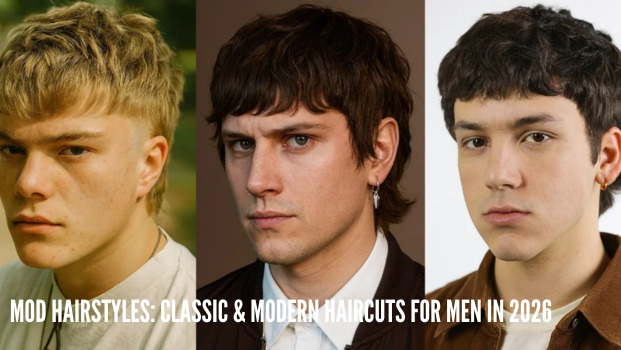
Mod hairstyles have become one of the most popular haircut trends in recent years, blending classic British styles with modern textures and personalized adaptations. Known for their structured silhouettes, fringe-focused designs, and balanced volume, mod haircuts offer a timeless look while allowing versatility for different hair lengths, types, and face shapes. From the iconic 1960s mop tops to today’s layered and textured modern interpretations, mod hairstyles remain a symbol of fashion-forward style and practicality.
Whether you are exploring classic vintage cuts, trendy modern variations, or want to find the perfect mod haircut for your hair type and face shape, this guide provides a complete roadmap to understanding, styling, and maintaining the perfect mod hairstyle.
Understanding Mod Hairstyles
A mod haircut is defined by its distinctive shape, fringe-forward design, and structured layers. Unlike fade-heavy modern haircuts, mod hairstyles prioritize the natural flow and volume of the hair, making them suitable for almost all hair types. The appeal lies in their ability to balance style with ease of maintenance, which is why mod hairstyles are often recommended for men seeking both sophistication and trendiness.
The foundation of a mod haircut lies in its fringe, layers, and silhouette, allowing customization depending on hair texture and length. Whether you prefer a clean, sleek mod look or a more casual, textured style, the haircut can be adapted to achieve both professional and casual aesthetics.
Quote: “A mod haircut is about effortless elegance, combining structure with movement.”
READ MORE<<<Luka Doncic Haircut: Styles, Tips, and How to Get His
The Origins of Mod Hairstyles
Mod hairstyles originated in the 1960s Britain, closely associated with the mod fashion movement that emphasized clean lines, sharp tailoring, and modern aesthetics. The style became iconic through its association with bands, youth culture, and the urban fashion scene.
The evolution of mod hairstyles can be traced through decades: the 1960s introduced the classic mop top and rounded fringe, the 1990s brought a relaxed Britpop-inspired mod, and today, modern adaptations feature textured layers and subtle variations that suit contemporary preferences. This historical grounding not only adds depth to the hairstyle but also explains why terms like 60s mod haircut and 90s mod cut continue to appear prominently in searches.
Key Features of Mod Hairstyles
Mod hairstyles are distinguished by layers, volume, and fringe emphasis. Hair is typically cut to allow natural flow and movement while framing the face. Other defining features include soft textures, balanced proportion, and adaptability across hair types. These attributes make mod haircuts a versatile choice for everyday wear, formal events, and trendy fashion statements.
The hairstyle’s adaptability extends to face shapes, hair textures, and personal style preferences. This combination of structure and flexibility is why mod hairstyles consistently attract high search interest and remain relevant across generations.
Classic Mod Hairstyles
1960s Classic Mod Haircuts
The 1960s introduced iconic mod hairstyles, such as the mop top, rounded fringe cuts, and sleek, polished versions that emphasized symmetry and proportion. These styles were celebrated for their simplicity, refinement, and ease of styling.
1990s Mod Revival
The 1990s revisited mod hairstyles with Britpop-inspired variations, including slightly messier textures and layered fringes. This revival paved the way for modern adaptations that balance classic structure with contemporary flexibility, making them suitable for today’s hairstyles while honoring their vintage origins.
Modern Mod Hairstyles
Modern mod hairstyles have evolved to include textured layers, tapered cuts, and hybrid variations, allowing for more personalized styling options. These hairstyles focus on natural movement, adaptable volume, and subtle sophistication, making them perfect for casual and professional settings alike.
Popular modern mod variations include textured mod cuts, layered mod hairstyles, messy mod cuts, tapered mod styles, and mod mullet hybrids. Each style can be tailored to suit individual preferences, whether it is a sleek, structured look or a more relaxed, textured appearance.
Mod Hairstyles by Hair Length
Hair length plays a significant role in how a mod hairstyle is perceived. Short mod haircuts are clean, structured, and low-maintenance, perfect for those who prefer simplicity. Medium-length mod hairstyles are highly versatile, offering room for layers and texture while maintaining a balanced silhouette. Long mod hairstyles provide maximum flexibility, allowing for volume and movement while incorporating retro-inspired layers.
| Hair Length | Mod Style Example | Styling Focus |
| Short | Short mod haircut with fringe | Easy maintenance, clean look |
| Medium | Layered medium mod cut | Volume, balance, daily wear |
| Long | Shaggy long mod hairstyle | Texture, retro-inspired flow |
Mod Hairstyles by Hair Type
Mod hairstyles can be adapted for straight, wavy, curly, thick, or fine hair. Straight hair benefits from sleek, precise mod cuts, while wavy hair works best with layered and textured variations that enhance natural movement. Curly hair can be shaped into controlled volume mod cuts, and hair thickness can be managed with proper layering techniques.
The versatility across hair types is a key reason why mod hairstyles continue to dominate searches and remain a preferred choice for men looking for a timeless, adaptable haircut.
Mod Hairstyles by Face Shape
Choosing a mod haircut that complements your face shape is essential to achieving the most flattering look. For oval faces, almost all mod hairstyles work beautifully because this shape is naturally balanced and proportionate. Round faces benefit from layered mod haircuts with slightly longer fringes, which help elongate facial features and create a more angular appearance. Square faces are best suited to textured fringe mod cuts, as the softness of the layers helps balance and soften strong jawlines.
For long faces, fuller fringes can provide visual balance, preventing the face from appearing overly elongated. Paying attention to how fringe length, volume, and layering interact with your face shape ensures that the mod haircut enhances your natural features rather than overwhelming them.
How to Style Mod Hairstyles
Styling is central to maintaining a fresh and polished mod haircut. Daily routines typically involve towel-drying the hair, using a blow dryer to create volume, and applying lightweight styling products such as matte clay, styling cream, or texturizing spray. The fringe should be defined naturally, and layering should be emphasized to maintain the shape of the haircut.
Professional barber advice can ensure proper trimming and maintenance, while at-home styling allows for flexibility in achieving both casual and sophisticated looks. The combination of daily styling, proper products, and periodic trims guarantees that a mod haircut retains its signature balance and structure.
Maintenance and Grooming
Proper maintenance of mod hairstyles includes trimming every 4–6 weeks, maintaining fringe length, and using the right hair products to preserve texture. Avoiding heavy gels or waxes prevents hair from looking stiff and allows natural movement.
Routine care ensures that the haircut remains stylish without over-styling, preserving its clean and polished look over time.
Mod Hairstyles with Facial Hair
Facial hair can complement a mod haircut, but balance is key. Short beards or stubble often pair best with textured mod hairstyles, while clean-shaven faces highlight structured fringe cuts. Harmonizing hair and facial hair ensures a cohesive appearance that enhances both style and personal aesthetics.
Common Mistakes in Mod Hairstyles
Even a great haircut can lose its impact if mistakes are made. Common errors include over-layering, adding extreme fades, using excessive product, and ignoring face shape considerations. The most successful mod hairstyles maintain natural flow, structured volume, and subtle texture without appearing overdone.
Mod Hairstyles vs Similar Haircuts
Comparing mod hairstyles to other popular cuts highlights their uniqueness. Unlike shag haircuts, mod haircuts are more structured, whereas wolf cuts are messier with exaggerated layering. The mop top inspired the mod but lacks modern refinements. Fades are minimal in mod haircuts, emphasizing length and shape instead. Understanding these distinctions helps in selecting the ideal haircut for your style.
Are Mod Hairstyles Right for You?
Mod hairstyles suit those who want a haircut that is versatile, professional, and trend-conscious. They are ideal for individuals seeking a timeless yet contemporary look, adaptable to daily life, work, or social events. With attention to hair type, face shape, and maintenance, anyone can wear a mod hairstyle successfully.
Frequently Asked Questions
Are mod hairstyles easy to maintain?
Yes, with regular trims and minimal styling, mod haircuts are low-maintenance.
Do mod haircuts suit all ages?
Absolutely. Modern and classic variations can be tailored for both younger and older individuals.
Can mod hairstyles work professionally?
Yes. Structured and layered mod cuts provide a polished appearance suitable for work environments.
What products work best for mod hairstyles?
Lightweight clays, styling creams, and texturizing sprays help maintain shape and volume without stiffness.
Conclusion
Mod hairstyles seamlessly combine heritage style with contemporary innovation. From classic 1960s mop tops to modern textured, layered cuts, there is a mod hairstyle for every face shape, hair type, and lifestyle. Their adaptability, style longevity, and aesthetic balance make them one of the most versatile haircuts for men today. By understanding history, selecting the right style, and maintaining proper grooming, you can wear a mod haircut that is timeless, stylish, and effortlessly modern.
Discover the best mod hairstyles for men. Explore classic and modern cuts, styling tips, and maintenance advice for every face shape and hair type.
Leave a Reply